A neuroscientist accidentally explained why monks have been humming for 2000 years

Not pretty. Not spiritual. A nerve runs through your vocal cords.
Why does humming, of all things, change the way your body feels?
Try it for ten seconds. Close your mouth. Let a low sound come out from the back of your throat. Notice what happens in your chest, your jaw, your shoulders.
Something settles. You didn’t think a thought. You didn’t change your situation. You made a noise, and the body responded.
Most calming techniques work on the mind. Breathe slower. Think differently. Reframe the situation. They go through the long road of cognition, hoping the body will follow.
This one skips the road. It goes straight to the wire.
What you’re actually doing when you hum
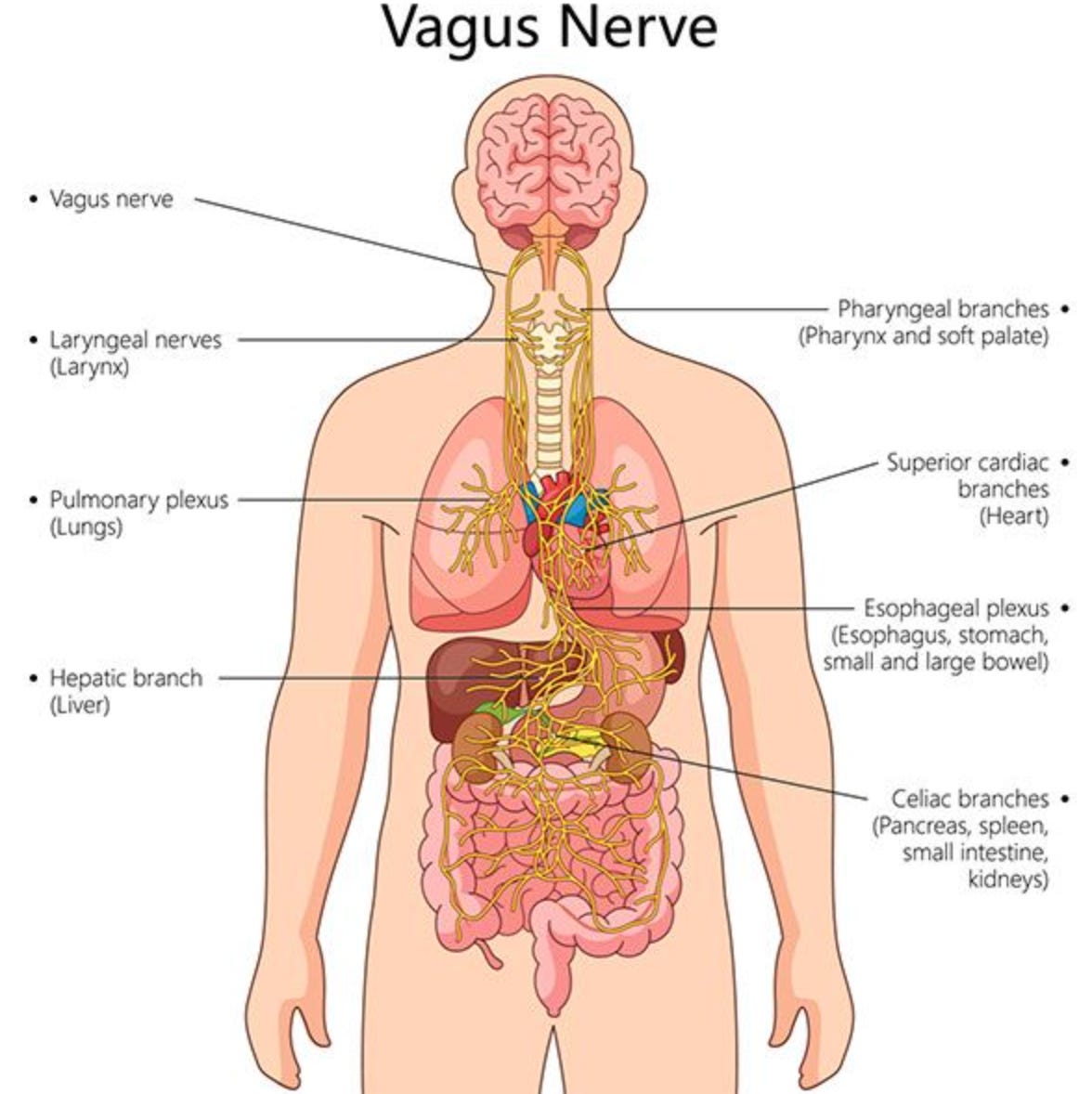
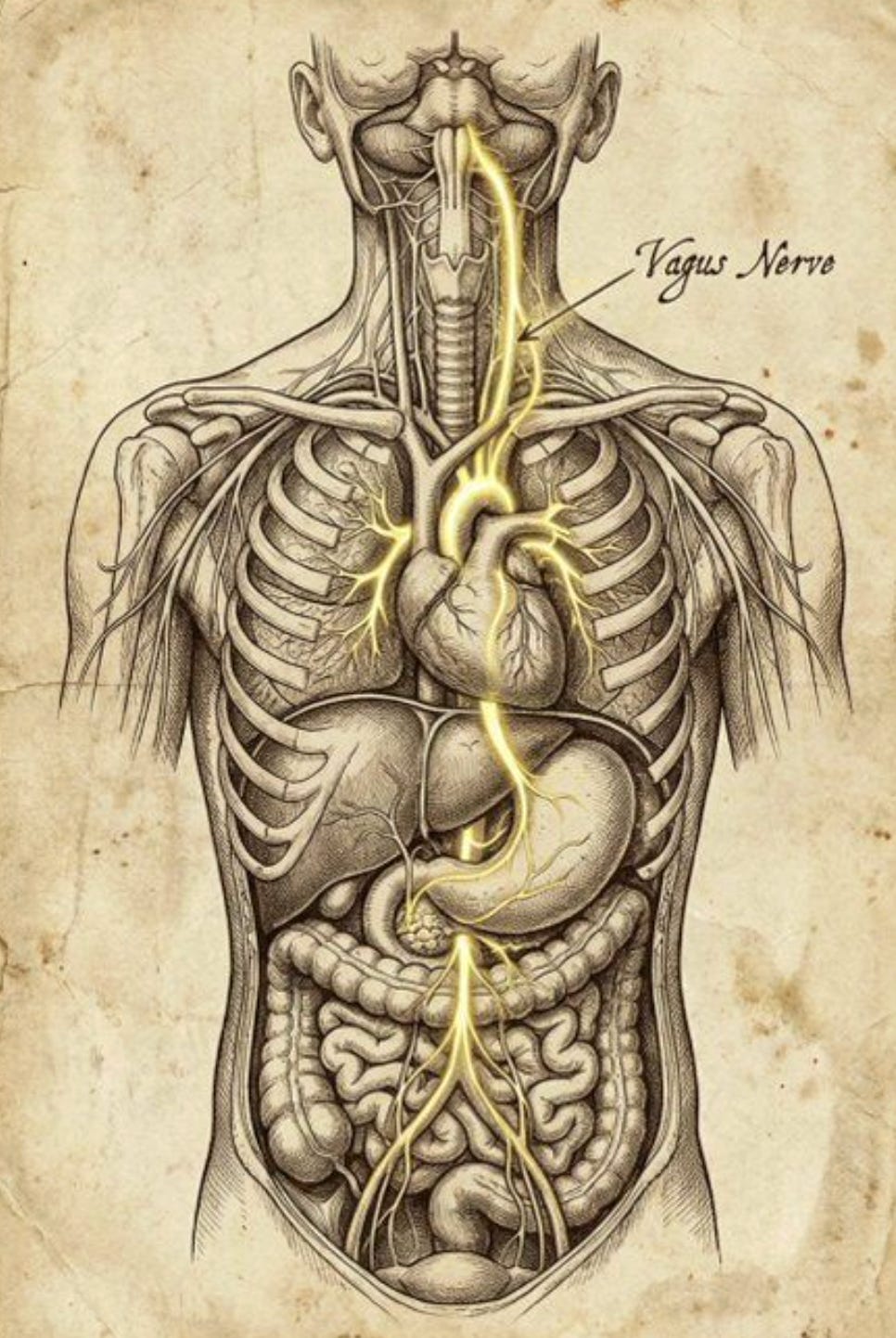
There’s a single nerve that runs from your brainstem down through your face, into your throat, around your heart and lungs, and into your gut. It’s the longest nerve in the body and it carries more information than any other.
When this nerve is firing well, you are calm, social, present, digesting food properly, sleeping at night, able to read for an hour without reaching for the phone.
When this nerve is firing poorly, you are wired, anxious, can’t relax, can’t sit still, can’t drop the bracing in your jaw.
Most modern life is a slow degradation of this nerve. The screens. The constant input. The sleep debt. The lack of unhurried face-to-face conversation.
You can try to repair it through years of therapy, of meditation, of behavioral change. Or you can do something very strange and very direct.
You can vibrate the nerve from inside, with sound.
What Porges figured out